

5 Lessons High-Performing Sports Teams Teach Us About Scaling Business Teams

WANT TO SEE MORE LIKE THIS?
Sign up to receive an alert for our latest articles on design and stuff that makes you go "Hmmm?"

As a collegiate student-athlete, I’ve seen firsthand what it takes for the best sports teams to perform at the highest level. Whether it’s preparing for a big conference game, responding to adversity throughout a long season, or working together toward a championship, many of the lessons I’ve learned through basketball extend far beyond the court.
During my time at Glantz, I’ve noticed those same principles show up in the workplace. Through contributing behind the scenes on projects, collaborating with team members across different areas of expertise, and observing how strong client relationships are built, I’ve learned that preparation, communication, and a strong team culture are essential to drive long-term success.
While basketball and business may operate in different environments, both rely on people working together effectively to achieve a common goal. Here are five lessons high-performing sports teams teach us about building and scaling successful business teams.
1. Every Player Has a Role
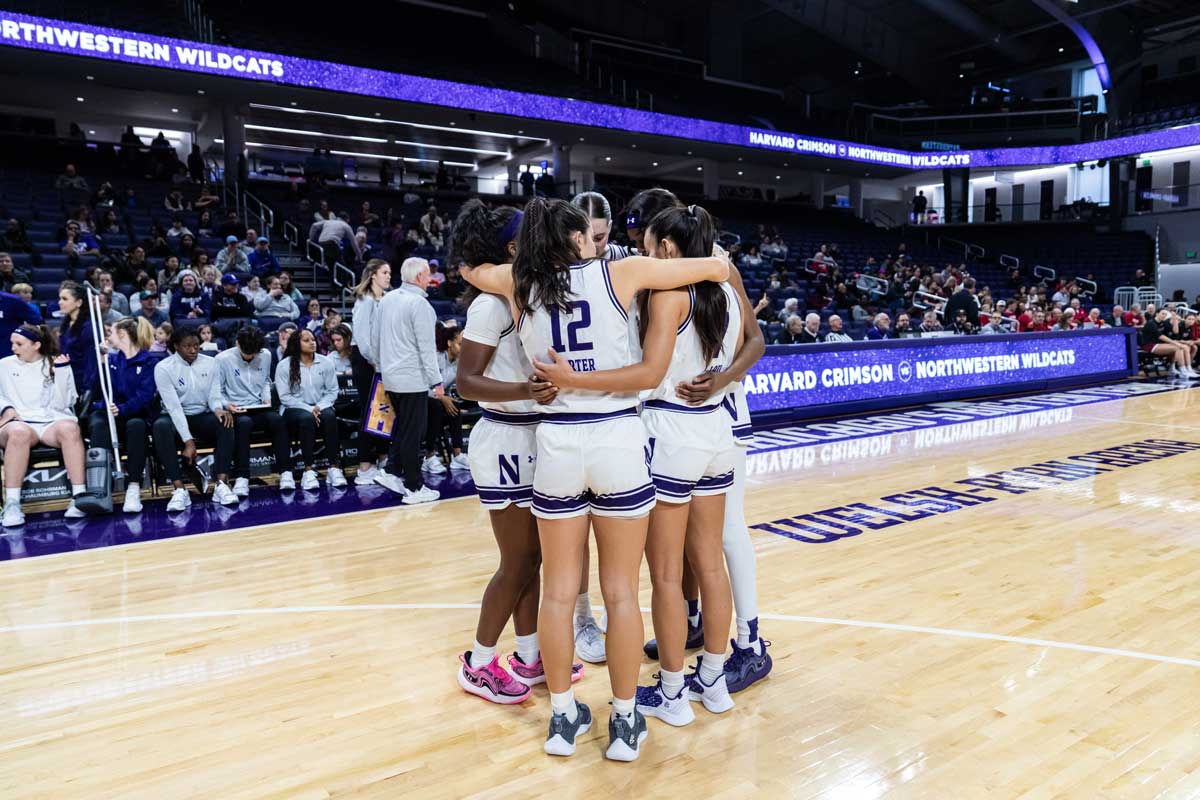
As a basketball player at Northwestern, I’ve seen firsthand how important role clarity is to a team’s success. Not every player is asked to score the most points or lead the team in a statistic, but every player contributes differently. The teams I’ve been a part of have been the most successful when everyone understands their role and embraces their own way to help the team achieve its goals.
The same idea applies in business. As organizations grow, success depends on team members with different strengths and responsibilities working together toward a common objective. When employees understand how their role contributes to the bigger picture, teams are able to collaborate more effectively, communicate more clearly, and execute with greater consistency. Gallup’s latest State of the Global Workplace research found that even basic training in role clarity and communication can cut active disengagement in half—proof that clarity isn’t just a nice-to-have, it’s one of the most effective levers a team has.
Just as a basketball team relies on each player embracing their role, businesses perform best when individuals understand their responsibilities and how they support the success of the organization as a whole.
2. Great Teams Communicate Early
One lesson I’ve learned through college basketball is that communication starts long before game day. Whether it’s going over scouting reports, making specific adjustments in practice, or communicating strategy before the game, strong communication helps prevent small issues from becoming bigger problems.
While at Glantz, I’ve seen how strong communication helps keep projects moving forward. Whether it’s sharing progress updates with clients or realigning on project goals, proactive communication helps teams stay coordinated and working effectively.

3. Success Is a Team Effort
One of the biggest lessons sports has taught me is that individual talent can only take a team so far. While the players who score the most points are typically the ones who attract the fans’ attention, every win is rooted in contributions from the entire program. The strongest teams understand that everyone has a role in the outcome, even if the contribution isn’t always visible in the box score.
The same dynamic is critical in business. Growth and success don’t happen because of a single leader or department. They happen when people trust one another, support one another, and work together. Organizations that celebrate collective achievement rather than individual recognition are often the ones that build stronger teams and sustain success over time.
4. Championships Are Won in Practice
As a student-athlete, some of the most important work happens when no one is watching. The hours spent in practice, strength training, and film sessions determine what happens when the whistle blows. During my time at Glantz, I’ve seen how much a project’s success is shaped by the internal meetings, collaboration with clients, and constant preparation that happen behind the scenes.
The best organizations approach preparation with the same level of intention. Long before a project is launched or a client deliverable is presented, countless hours have already been invested in planning, organizing, and collaboration. While that work often goes unnoticed, it creates the foundation for strong execution and allows teams to perform at their best.

5. Strong Teams Are Built on Culture
Throughout my basketball career, I’ve learned that talent alone doesn’t determine a team’s success. The teams that win Big Ten and NCAA championships built a culture of trust, accountability, and a shared commitment to one another. When adversity arises, a strong culture keeps teams united and focused.
I’ve seen the impact of culture extend far beyond athletics. Strong cultures create consistency, especially when teams face challenges, change, or uncertainty. When teams share a common set of values and genuinely believe in the mission they’re working toward, collaboration becomes stronger, accountability becomes natural, and teams are able to accomplish more together.
No matter the industry, culture often becomes the difference between a group of talented individuals and a truly high-performing team.
The longer I’ve spent competing in athletics and working in professional environments, the more I see that success is rarely about any one individual. It’s built through daily habits, relationships, and a shared commitment to a group of people working toward a common goal.
Some of the most valuable lessons I’ve learned through basketball have had little to do with the game itself. They’ve come from being part of a team, learning how to communicate and trust others, embrace a role, and stay committed through challenges. While working at Glantz, I’ve seen how those same principles contribute to creating strong teams and client relationships.
Whether on the court or in the workplace, high-performing teams are built on a foundation of preparation, accountability, and collaboration. When that foundation is in place, teams are able to accomplish far more together than any individual could alone.