
Informed Consent: Why Website Visitors Need Data Opt-Out Options
WANT TO SEE MORE LIKE THIS?
Sign up to receive an alert for our latest articles on design and stuff that makes you go "Hmmm?"
Businesses should allow website visitors to opt out of data collection to build trust and adapt to increasing privacy concerns. This shift towards informed consent is essential as users expect greater control over their personal information due to widespread data breaches and security breakdowns. Adopting informed consent helps businesses gain customer confidence and is becoming a fundamental requirement, or "table stakes," across the internet. Relying on implied consent, where declining data collection means leaving the website, presents a clear risk to businesses.
Why is it time to add informed consent on your website?
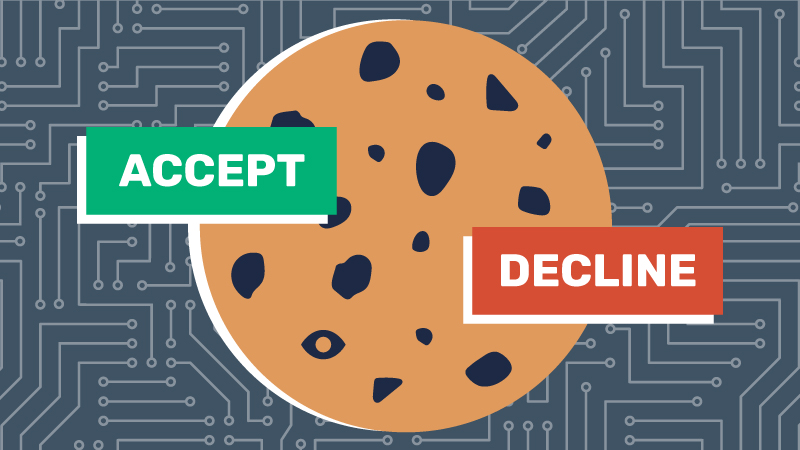
You know the drill by now. A banner appears at the bottom of your screen announcing, “This website uses cookies.”
You sigh and click the “Accept” button. You need to use the website, so there’s no other choice.
That pattern is about to change.
Data collection and security concerns are changing the way people browse the internet. Privacy breaches and security breakdowns have illustrated the amount of personal data businesses collect. (It’s a lot.) Visitors now expect that websites give them deep control over their personal information.
How do cookies, content, and consent relate to informed consent?
Cookies, content, and consent are intrinsically linked through the concept of user permission, particularly in the shift from implied to informed consent. Implied consent, where continued website use signifies agreement to data collection, presents a risk to businesses as it offers no real choice. Informed consent, however, builds customer trust by ensuring competence (users understand what they're agreeing to), agency (users have power in consenting), and confidence (users have assurance about the agreement). This requires a significant shift for businesses to adopt transparent language and interactions.
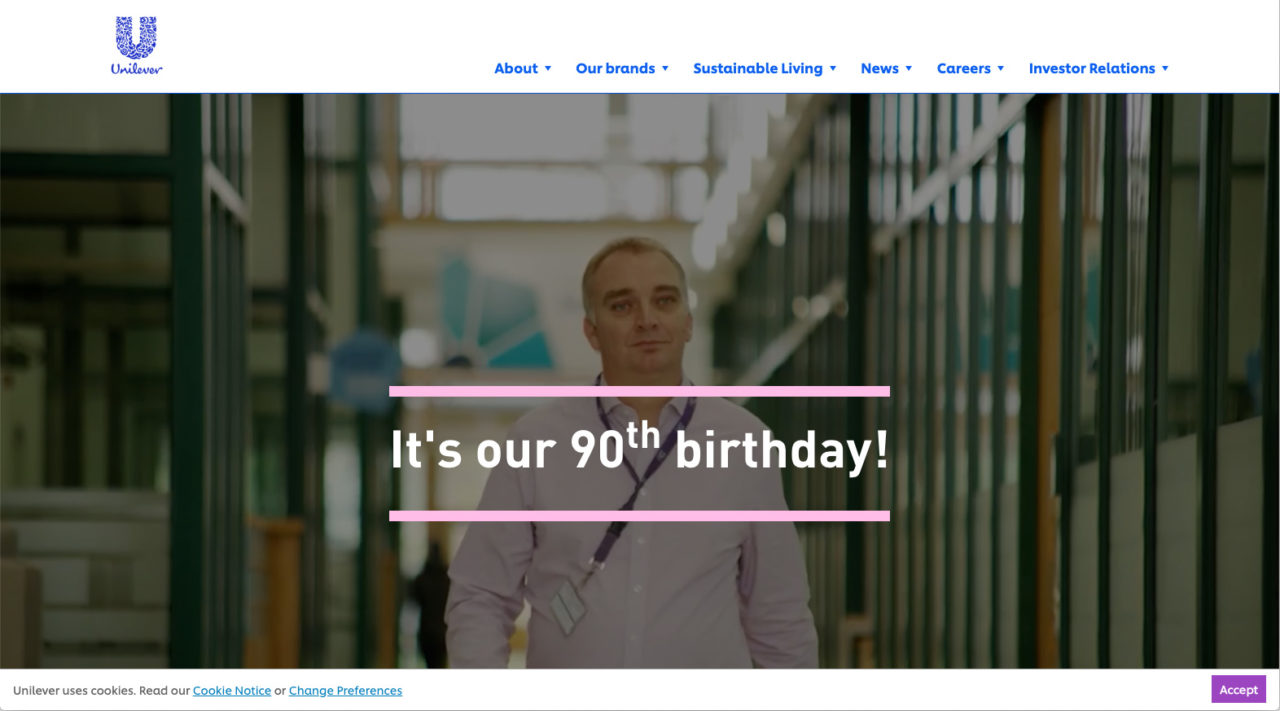
In implied consent, the only way for someone to decline permission is to stop using your website. This is a clear risk for any type of business. Your website is your calling card, your brochure, and how new customers find you.
Businesses can gain their customer’s trust by adopting a policy of informed consent. Informed consent uses language and interactions in service of:
- Competence: Do people understand what they’re agreeing to?
- Agency: What is their power in consenting?
- Confidence: Do people have an acceptable level of assurance about entering this agreement?
Informed Consent Respects Users’ Privacy
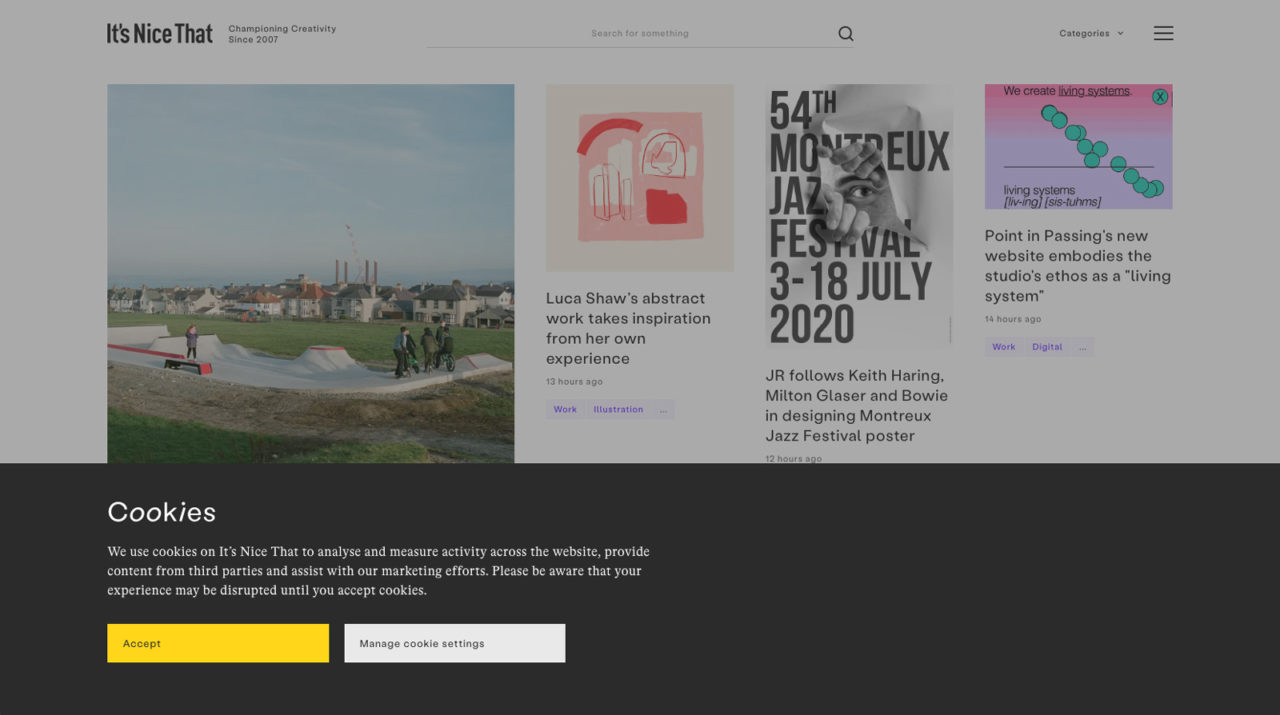
Website creators can help by creating interfaces that prioritize these questions. Think back again to the banner at the bottom of your screen. These pop-ups should explain what data is collected and how to opt-out of that collection. Rewriting the sentences to use accessible language is a good place to start. Use clear, simple, and concise language, like this:
We use cookies at Glantz Design to measure activity on our website. You can read about what information we collect and how we store your data in our privacy policy.
Designing smarter default actions is essential as well. Instead of pushing a user to click “Agree,” website visitors should be nudged to take control of their privacy settings.
Informed consent on websites is about to become table stakes across the internet. Are you ready to adapt your business to it?