

The Power of Friction and Play in UX
WANT TO SEE MORE LIKE THIS?
Sign up to receive an alert for our latest articles on design and stuff that makes you go "Hmmm?"

A Config talk, “Designing for play and friction in a fast-paced world” got us thinking about barriers and slowness. Friction is often cast as the villain that needs to be eliminated in UX and customer journeys. It appears as cognitive overload and barriers preventing users from accomplishing their goals.
Users want seamless, buttery-smooth experiences, delivered instantly. Fewer clicks, fewer steps, less hesitation for more conversions. Win-win for everyone. That brings us to where we are today: a digital landscape filled with endless scrolls to satisfy our desire for dopamine and blinking red notifications that trigger our ‘lizard brains.’
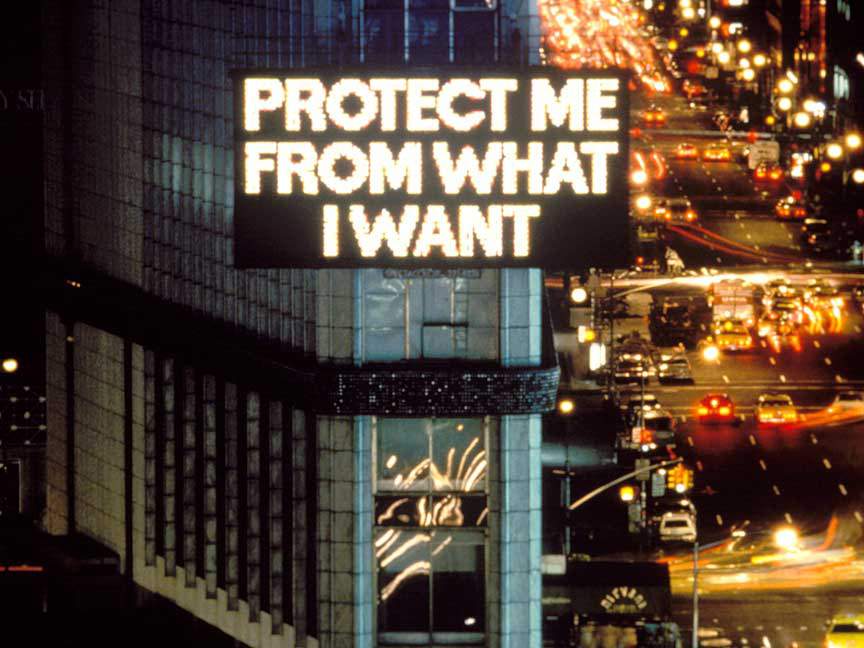
But the customer isn’t always right. A truism from artist Jenny Holzer still resonates four decades later: we need to be protected from what we want.
Why it’s not working
Where does one start? Here’s a quick and dirty list with the unintended consequences of frictionless design:
- Our inboxes are constantly under siege by turnkey thought leadership insights.
- Attention spans are shorter than ever.
- Stress, anxiety, depression, and isolation is on the rise.
- We can’t put our phones down.
- Even Gen Z is questioning convenience culture and AI.
It’s time we saved ourselves from the cult of productivity and ‘move fast, break things.’ It’s a poor ROI with the investment being our health and returns superficial KPIs (more on that later).
*Kind of. A call for more mindfulness and positive friction in UX
Meet positive friction. It has many names, which underscores how it’s often overlooked. Some refer to it as good, positive, or even premium friction. Varied names aside, at its core, it’s a human-centered approach.
It promotes critical thinking and mindfulness by making space for informed decision-making. And it’s not new. It’s an essential tenant to good UX, and we see it in many places:

Educational opportunities
(ie, ‘get started’ tutorials)

Security measures
(ie, multi-factor authentication)

Error prevention
(ie, email providers flagging missing attachments)
Progressive disclosure
(ie, splitting complex forms into pages)

Intentional slow-downs to leave a specific impression
(ie, loading animations or added delays to convey accuracy)

Confirmation for important decisions
(ie, before sending money to a new contact)
How can we apply this thinking beyond UX?
In the face of AI and its shiny productivity-boosting magic, it’s important to strategically sprinkle in some friction, such as:
- What happens when we center the destination (outcomes) over the journey (the process)?
- Everything comes at a price; what’s the cost of using the real-life easy button? Is it worth it?
- When we outsource the unglamorous, difficult work to AI, what lessons are we failing to learn?
For our clients, that might look like:
| Shifting from superficial goals | To this | To focus on what really matters |
|---|---|---|
| Increase email subscribers counts | Give users more control over email frequency and interested topics | Improved open, click-through, and unsubscribe rates—brand loyalty |
| Assuming we know user motivations, goals, habits, and the ‘right’ solutions | Conduct user interviews and tests | Deeper, accurate understanding of users |
| Appealing to a wide audience | Invest in clear, unique brand messaging, and client education | Increased brand recognition and higher quality leads over quantity |
A recent example of the last example is a recent client, the Mathers Foundation. Their small staff was inundated with FAQs and unqualified applicants. The lengthy website content was difficult to skim, leading users to contact the team. To solve this, we added hierarchy to the content, encouraging users to slow down and read before emailing.
Beyond client work, we practice mindfulness behind the curtain by:
| Being conscientious of | So we practice | To focus on what really matters |
|---|---|---|
| Working asynchronously to avoid scheduling hassles | Open studio critiques, mood boards, and mind-mapping sessions | Culture of collaboration where everyone’s voices are heard and we don’t design for designers |
| Tackling edits and production work, no questions asked | Asking why twice, one of our core values, by using robust questionnaires and discovery phases | We uncover root issues and goals worth achieving |
| Highly polished work without context | Cross-functional, jargon-free communication explaining decisions and assumptions made along the way | Ability to communicate expertise, create teachable opportunities for growth, and uncover biases for our clients |
To be clear, this isn’t a technophobe invitation to boycott technology or AI. It’s not going anywhere, like how the camera and Google are here to stay, to the displeasure of master painters and encyclopedia publishers. Instead, it’s an urge to be more mindful in everything we do. Build a culture of intentionality without sacrificing business goals.